



La Cuisine de Verre: A French Country Conservatory Kitchen in Miniature
Updated: 4 hours ago

First Impressions in Miniature
The first time I saw this French Country miniature kitchen, I involuntarily said “bonjour” to an oven. That’s how welcoming it is. The conservatory-style roof floods the room with sunlight, turning copper spoons into little suns and herb pots into tiny, fragrant celebrities. Think Provençal farmhouse meets greenhouse daydream: arched windows, beadboard walls, buttery cream cabinetry with warm wood tops, and a chandelier that looks like it’s been writing love letters to the ceiling for 100 years.

I’m smitten—hard. And if you keep scrolling, there’s a full, friendly build tutorial later in the post so you can cook up your own cozy conservatory scene (no macro lens required, but highly encouraged).
Standout elements right away: the glass roof, the arched window wall, hanging wooden utensils, terracotta planters, a floral runner beside the range, and baskets with soft textiles that whisper naps later, pies now. It’s an instant serotonin croissant.

Miniature Backstory – The Tiny Tale
Welcome to La Cuisine de Verre (“The Glass Kitchen”), a pocket-size conservatory built in 1898 by Madame Colette Mirabelle, retired pastry poet and alleged basil whisperer. When her husband, Étienne, decided the proper place for a kitchen was “where the tomatoes are,” he refitted their cottage’s old greenhouse into this airy, plant-forward culinary lab.
The locals (average height: 1 inch; average gossip level: Olympian) still talk about Colette’s ritual: each morning she opened the roof vents, greeted the rosemary by name, and simmered lavender milk on the stove while reading recipes from a faded notebook titled La Science du Soufflé (Pro Tips & Tender Feelings). The wall of arched windows let in so much light that the copper pans learned to blush. She sold tarts from the front gate. Customers paid in francs or compliments.

In the evenings, Étienne would hang his wooden spoons like little violins and play them (poorly). The neighbors applauded anyway, because the applause meant they were next in line for leftover brioche.
Easter egg for you: rumor has it Colette hid a tiny snail named Gaston somewhere among the herb pots as a good-luck charm. See if you can spot him in the foliage—he’s shy but photogenic.
A Guided Tour of the Build:
Step inside and breathe: you get sun-warmed pine, damp soil from the terracotta, and a whisper of thyme drifting over the stove. The conservatory roof is ribbed with slender rafters, each one catching light like crisp cream on a brûlée.

To the left, a procession of arched windows marches down the wall, framing greenery beyond—an implied garden buzzing just offstage. Beneath the windows, pots of lavender, rosemary, and something delightfully unruly gather at the sill. The table, pulled a touch off-center, wears a striped cloth tossed with the confidence of someone who throws dinner parties for six and never measures sugar.

Center stage: a compact range with a copper pot at steady bubble, guarded by a carved mantel. Above the mantel are shelves cradling jars and a row of mini bowls that pinch your heart with their tidiness. The cabinet doors are paneled and trimmed in soft cream with slightly warmed edges; hardware flashes a sweet antique brass.

To the right, a glass-fronted cupboard shows off ceramics and spices. Wicker baskets sit at floor level, inviting you to tuck in a folded throw or maybe a contraband croissant. The floral runner on the floor is that final kindness your eyes were waiting for—color that ties the herbs, the fabrics, and the wood into one sunny choir.

Inspirations – From the Big World to the Small
French Country style borrows from rural Provence: weathered wood, creamy neutrals, woven textures, and sunny stone-farmhouse optimism. In the full-sized world, think the warm kitchens of Château de Gudanes (that love affair with aged finishes), the tailored charm of La Cornue ranges (our mini stove nods to that graceful geometry), and the garden-forward romance you feel wandering Monet’s Giverny (plants everywhere, light behaving like paint).
In miniature, these influences translate into:
Soft patina instead of hard shine—edges are kissed with wear to suggest history.
Garden adjacency—the conservatory roof brings the outdoors in; herbs become architecture.
Curated clutter—baskets, linens, and copper tools arranged like a still life, not a yard sale.
The result is a room that feels lived-in, generous, and perpetually golden hour.

Artist Tips – Make Your Own Magic
You’re about to build a sunlit kitchen where herbs thrive and biscuits never burn (we believe). Breathe in, shoulders down—you’ve got this.
Shopping List (with clever reuse ideas)
Structure & Walls
Reuse: cereal-box cardboard, matte board from old frames, coffee stirrers for beams, bamboo skewers for rafters.
Buy: basswood sheets/strips, foam board, craft plywood, strip styrene (for clean profiles).
Glazing & Windows
Reuse: blister packaging from electronics or toy boxes for glass panes; clear report covers.
Buy: acrylic sheet, pre-made dollhouse windows, micro hinges.
Surfaces & Finishes
Reuse: wooden coffee stirrers for floor planks; tea or coffee for aging; nail buffing blocks for sanding.
Buy: balsa/basswood flooring strips, acrylic paints, water-based varnish, chalk paint, pastels.
Hardware & Metal Bits
Reuse: jewelry findings for knobs, straight pins for nails, soda-can aluminum for flashing.
Buy: miniature hardware packs, brass rod, eyelets, chain for pot racks.
Plants & Soft Goods
Reuse: dried herbs (thyme, oregano) as foliage; sponge crumbs for shrubs; old cotton shirt for linens.
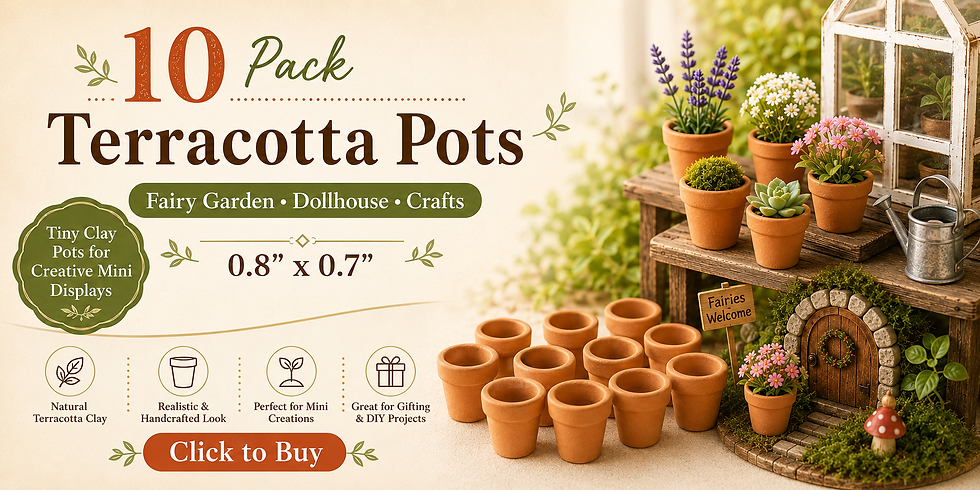
Buy: static grass, flocking, paper flowers, miniature terracotta pots, tiny baskets.
Lighting
Reuse: glass seed beads as lamp globes, parchment paper for diffusion.
Buy: USB-powered mini LED strings, warm-white 3V LEDs, coin-cell holders (if battery approach).
Adhesives & Tools
Reuse: painters’ tape, binder clips, old gift cards for glue spreaders.
Buy: PVA wood glue, CA glue (cyanoacrylate), cutting mat, craft knife, metal ruler, micro saw.
Safety
Gloves for CA glue, mask for sanding/airbrushing, ventilation for paints, and a small container to keep sharp blades corralled like unruly raccoons.

Deep Dive (step-by-step)
1) Plan & Scale
Pick your scale before you touch a blade. I recommend 1:12 for generous detail or 1:24 for shelf-friendly charm. A standard kitchen counter in 1:12 lands around 2.5–3 inches high; doors roughly 6–7 inches tall in mini land. Sketch a quick floor plan: window wall on the left, range center, sink/right-side run, and a small table near the sun.

2) Bones (a strong skeleton is half the magic)
Cut wall panels from foam board or craft ply. Reinforce corners with square strip wood.
For the conservatory roof, make triangular end frames first; add ridge and rafters from coffee stirrers or basswood. Keep rafters evenly spaced—a small spacer jig saves sanity. Dry fit the roof to ensure it lifts off for access if you plan to wire lighting.

3) Windows & Doors
Arched windows read “French Country” instantly. Laminate two layers of cardstock around a jar lid or circle template, then cut the arch. Add muntins with strip styrene or thin wood. Insert clear acetate for glazing.
A simple framed door with a narrow transom above ties the conservatory vibe together—bonus points for a bead of “lead came” drawn with a silver gel pen on the acetate.

4) Finishes, Base Color & Wall Treatments
Prime with a light gray. Base coat cabinetry in a creamy off-white (think vanilla gelato), then softly dry-brush edges with a warm beige for wear.
Counters get a butcher-block look: layer tan + raw umber, then streak thin lines with a watercolor pencil. Seal with satin.
For beadboard: score vertical lines into card or wood before painting. A dusting of pastel chalk (burnt umber) worked into grooves makes believable age.
The floral wallpaper band is simply patterned scrapbook paper. Keep it to the upper third so the beadboard stays the hero.

5) The Hero Piece (your focal point)
Here, the range & mantel are the star. Build a shallow box for the oven; add a clear “glass” door and tiny printed knobs. The mantel gets two side pilasters and a gentle arch. Keep proportions elegant, not bulky—French Country prefers poetry to protein shakes.

6) Utilities & Greebles
Hooks beneath the mantel for wooden spoons (cut from toothpicks and shaped with a file). A tiny copper pot (paint a bead metallic copper; add a wire handle) on the stovetop.
Spice jars from clear beads + painted caps. A dish rack from trimmed comb tines.
Sink area: a small oval tray becomes a farmhouse sink; a U-shaped wire for the faucet with seed beads as knobs.

7) Furniture & Soft Goods
Table & chairs: slender legs and slightly curved backs. Stain with diluted acrylic and buff with a soft cloth (old t-shirt fragment).
Linens: tear cotton for frayed edges; light wash of tea for instant patina. Embroidery motif? Paint a tiny rose using a dot of pink, a breath of white, and two green commas for leaves.

8) Plants, Herbs & Terracotta
Terracotta pots get base-coated orange-brown, then dry-brushed with pale gray-green for mineral bloom.
Herbs: clump foam + dried oregano, fixed with matte medium. Keep a few sprigs dramatic and leggy—plants with opinions tell better stories. Don’t forget to hide Gaston the snail somewhere (tiny bead shell + dab of brown).

9) Lighting (simple and warm)
Warm-white is your friend (2700–3000K vibe). USB fairy lights can be routed along the roof ridge; hide the wire behind a beam.
Diffuse hot spots with a slip of parchment behind the chandelier or under cabinet valances. One rule: light the plants from above and the stove from the front—your eye reads “sun” and “hearth” simultaneously.

10) Story Clutter & Easter Eggs
A half-sliced strawberry in a bowl (polymer clay), a wooden bread peel leaning by the oven, recipe cards on a string, and a cushion with a stitched rose on the floor basket. Place just enough to look lived-in; if you can dust under it easily, you’ve put out too little. If you can’t find the floor, you’ve built a barn sale.
Hide a wall clock stuck at 7:12 as a wink to 1:12 scale. And of course, keep an eye out for Gaston.

11) Unifying Glaze/Filter + Finish
Mix a translucent filter: matte medium + a whisper of raw umber + a drop of black. Brush it lightly into corners and wipe back. Everything suddenly speaks the same dialect of sunlight.
Final pass: dry-brush pale cream on high edges and a touch of graphite on metal nubs for sparkle.

12) Photo Tips (your mini’s close-up)
Backdrop: a soft blue-gray or a blurred garden print.
Place a white card opposite your light source to bounce warmth into shadowy corners.
Shoot slightly below eye level of the scene to feel “inside.” For that conservatory glow, aim a small LED through the roof and one diffused side light through the windows.
If you want the “afternoon in Provence” look, warm up your white balance a smidge.

13) Troubleshooting (tiny problems → easy fixes)
Warped roof panels? Laminate two thinner sheets cross-grain; clamp flat overnight.
Cloudy “glass”? You’ve handled super glue near acetate. Use PVA for glazing or tape edges before CA.
Cabinet doors won’t align? Sand hinge sides lightly and add a paper shim behind the lower hinge.
Plants look like green blobs? Mix textures—dried herbs + fine foam + a few paper leaves. Vary heights.
Room feels flat on camera? Boost contrast with a darker floor rug and one strong highlight on copper.
Everything’s too clean? Pastel dust in corners, a tiny crumb on the table, and one scuff on the chair rung—instant life.

Until Next Time in the Small World
That’s La Cuisine de Verre—sunlit, plant-rich, and forever ready for tea. If you spotted Gaston the snail, you officially speak fluent Miniature. I’d love to know your favorite detail: the arched windows? The herb riot on the sill? The copper pot that looks one simmer away from a love confession? Drop your thoughts in the comments.

If this French Country conservatory kitchen sparked ideas, share your own builds with #smallworldminiatures—I’ll be cheering (and possibly sending virtual croissants). Want more tiny tours and tutorials? Hop on the newsletter; the garden gate is always open.
Hashtags
#miniature #dollhouseminiatures #miniaturekitchen #frenchcountry #provencestyle #conservatory #greenhousekitchen #diorama #miniatureart #scaleModel #112scale #124scale #miniaturedecor #miniaturefurniture #miniatureplants #wickerbasket #terracottapots #copperpots #dollhousekitchen #handpaintedminiatures #miniaturelighting #modelmaking #craftblog #hobbyartist #smallworldminiatures #miniaturetutorial #interiordesignminiature #provence #artdollhouse #tinyhouseart







Comments